- SandeepMetalWorks
- February 1, 2026
Introduction: Why a Steel Procurement Checklist Matters
Bulk steel purchasing is a critical step for contractors, builders, and fabricators working on construction and industrial projects. The quality of steel directly impacts structural durability, safety, and overall project efficiency. Many buyers focus only on pricing, but successful procurement requires verifying specifications, certifications, and supplier reliability. Working with a trusted steel supplier in Hyderabad, Telangana helps contractors avoid costly mistakes and ensures consistent material performance.
Verify Mill Source and Material Certification
The first step in bulk steel procurement is confirming the origin of the material. Contractors should always request Material Test Certificates (MTC) to verify grade standards, chemical composition, and tensile strength. Mill-certified products such as CR steel, HR steel, GI sheets, stainless steel, and color coated coils provide predictable quality and reduce the risk of structural issues. Choosing a reliable bulk steel distributor in Hyderabad ensures genuine mill-sourced material that meets industry requirements.
Check Thickness Accuracy and Grade Specifications
Steel thickness and grade play a major role in fabrication and structural strength. Even small variations in thickness can affect welding quality, load-bearing capacity, and installation efficiency. Contractors should verify coil width, gauge, and tolerance levels before finalizing orders. Sourcing from experienced CR HR steel suppliers in Telangana helps maintain consistency across batches, improving fabrication performance and minimizing wastage.
Evaluate Coating Quality and Application Suitability
For projects involving roofing, cladding, or outdoor installations, coating quality is essential. Galvanized and color coated steel must have uniform coating thickness to provide long-term corrosion resistance. Contractors should ensure that materials match the specific application requirements — for example, GI steel for moisture-prone environments or stainless steel for industrial durability. Selecting the right material reduces maintenance costs and improves the lifespan of structures.
Assess Delivery Timelines and Supplier Reliability
Project delays often occur due to inconsistent supply or logistics issues. Contractors should evaluate supplier stock availability, delivery schedules, and handling practices before placing bulk orders. A dependable steel supplier in Hyderabad with strong inventory management can help maintain smooth project timelines and avoid last-minute procurement challenges.
Compare Pricing with Long-Term Value
While competitive pricing is important, buyers should focus on overall value rather than choosing the lowest quotation. Certified steel may have a slightly higher upfront cost but offers better durability, reduced rework, and long-term savings. Transparent pricing, clear communication, and reliable service support are key factors when selecting a supplier for bulk steel procurement.
Conclusion: Build Stronger Projects with Smart Steel Procurement
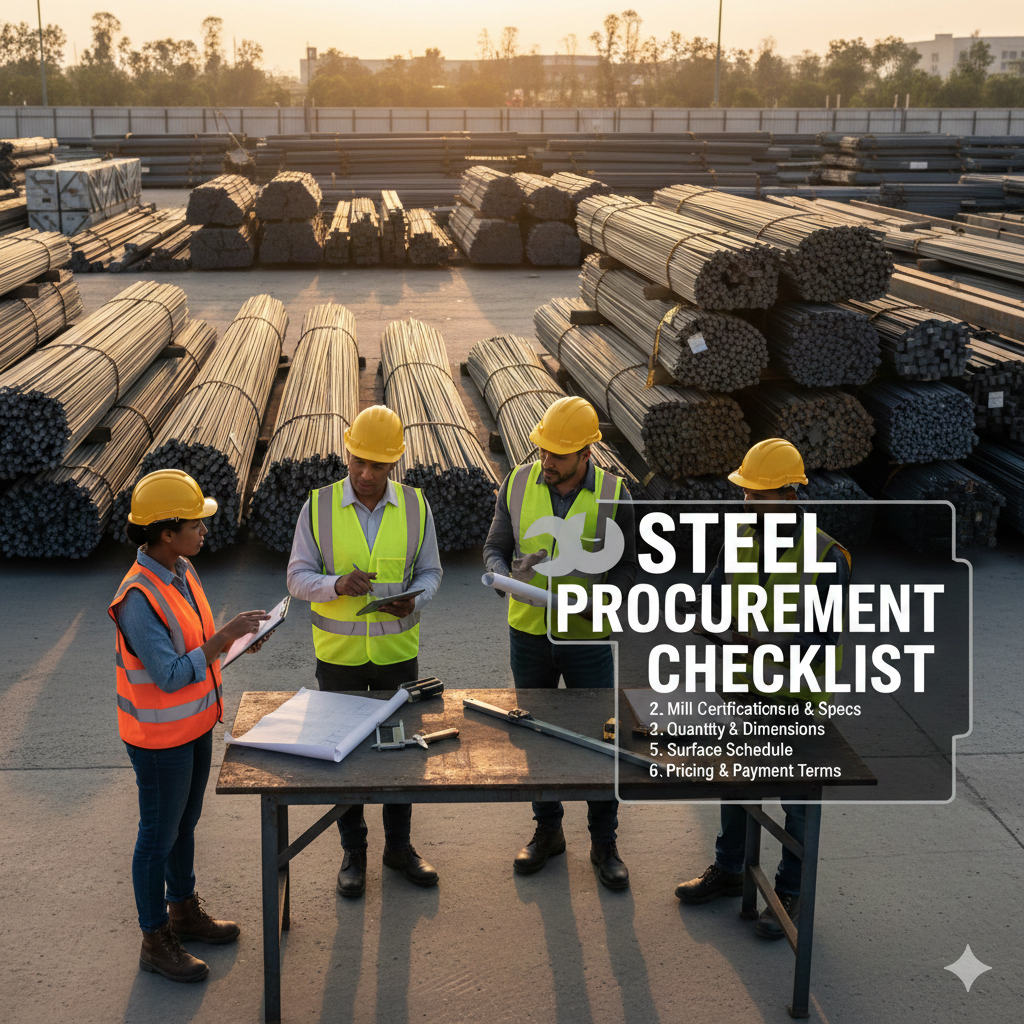
A well-structured procurement checklist helps contractors make informed decisions and reduce project risks. By verifying mill certification, thickness accuracy, coating quality, and supplier reliability, businesses can ensure they receive high-quality materials that meet construction standards. Bulk purchasing from trusted steel suppliers not only improves efficiency but also supports stronger, safer, and more durable project outcomes.